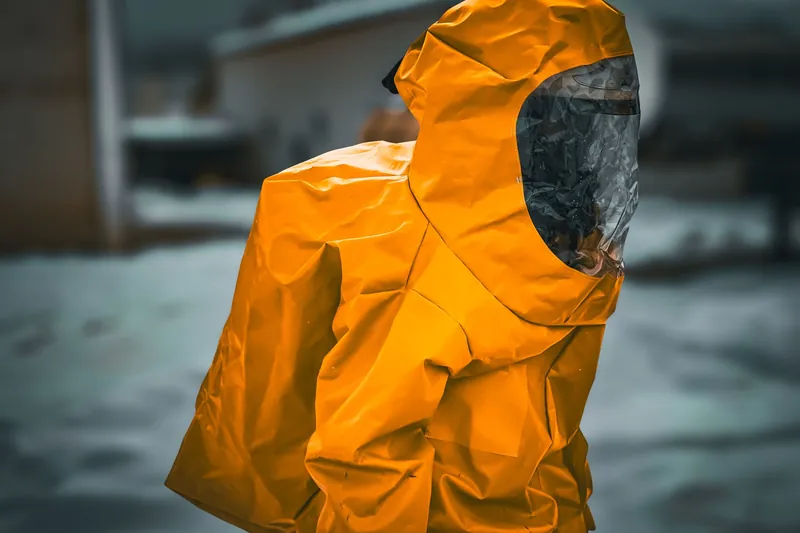
Biohazard Cleanup
Removal and disinfection of blood, body fluids and other infectious material from any property.
See biohazard cleanupDo not let people enter a space made unsafe by bodily fluids, blood, sewage or another biological hazard. Ask for clear guidance without delay. If law enforcement or other authorities are involved, the affected area must be released before cleanup starts.
Emergency biohazard cleanup is the urgent containment, removal, cleaning and disinfection of blood, bodily fluids, human waste and other biological contamination that could expose people to illness or injury.
Situations leading to this work include accidents, major blood spills, trauma scenes, crime scenes, sewage backups and unattended deaths. First, emergency cleanup limits the spread into areas that are still clean. Cleanup technicians assess the affected space, isolate it and decide how to perform the work in the safest order.
Ordinary cleaning removes visible dirt. Biohazard remediation goes further. It includes protective equipment, careful removal of contaminated materials, surface cleaning, use of an EPA-registered disinfectant for its full label contact time, hazardous waste packaging, odor removal and a final inspection. The goal is a clean space that can move toward normal use again.
Photos, scope notes and waste records can help you explain the biohazard remediation work to an insurance company or property manager.
The cleanup process starts after you are told what can be cleaned, what could come out and why cost may change.
Day or night, you can describe what occurred and receive immediate safety guidance while scene release, access and cleaning requirements are evaluated.
Crew members travel in unmarked vehicles. The work area can be kept private from neighbors, visitors and unaffected parts of the property.
Biological material calls for emergency cleaning when it could spread within a vehicle, home or workplace, or when it presents a serious risk to health. Situations commonly include:
Cleanup begins only after law enforcement releases the scene and confirms that evidence collection is complete.
A property with clutter can become a biohazard when it contains sharps, spoiled materials, or human or animal waste.
An accident, suicide or violent event can leave affected areas, whether one space or several, with bodily fluids and material damage.
On walls, furniture or flooring, blood may soak into porous layers and joints. Keep others away and do not walk through the spill.
Your first job is to prevent contact and avoid spreading the contamination. Take these steps while arranging professional cleanup:
Call (888) 440-9227Published guides do not list a separate range for emergency work. General biohazard cleanup guides list a typical national range of $3,000 to $5,000. The residential average range is $1,800 to $4,500 and most residential projects range from $2,500 to $8,000. Fixr also publishes a full span of $1,500 to $25,000. Urgency is one factor that can change the final price.
These national ranges are taken from published cost guides, rather than a property visit. The price for your property is set after the on-site assessment, and you hear it before work starts.
Ask about cost: (888) 440-9227Some commercial, renters and homeowners insurance may cover cleanup of a biohazard caused by a covered sudden event. Any coverage will depend on the cause and on the policy's limits, deductible and terms.
Preserve records including the claim number, authorization releasing the scene, images, project scope, invoices and waste documents. Ask your adjuster what must be documented before the scene is changed by cleanup.
The New York State Office of Victim Services lists crime scene cleanup expenses among the compensation it can pay to crime victims. Insurance is usually checked first.
Tell the insurance company what happened and ask whether cleanup, removal, odor treatment and later restoration fall within the claim.
A tenant should notify the landlord or property manager. Responsibility can depend on the cause, lease, policy and location of the contamination.
To protect clean areas from contamination, emergency work proceeds in a controlled order. No two situations are identical, but these steps are usually part of the cleanup:
Cleanup technicians determine the contamination type and trace the affected area while noting materials, entry limits and current safety concerns.
Clean spaces are isolated from the work area. The exposure risk and required work determine which protective gear and clothing are used.
Contaminated debris and fluids are gathered in a way that limits their spread. Materials that cannot be fully cleaned are removed in controlled sections.
Visible soil is removed before disinfection. The disinfectant can reach the underlying surface after debris is cleaned away.
For cleanable areas, crews use an EPA-registered disinfectant and maintain surface wetness throughout the labeled contact time.
Sharps and contaminated materials receive secure containment, then move as required by medical or regulated waste standards.
Once source material is gone, suitable treatments such as air scrubbers can address particles and odor within the space and connected air routes.
A final check looks for contamination left in the work space. For property owners, communication with insurance companies may be supported by waste documentation, work notes and photographs.
Call any hour. An emergency 24/7 biohazard cleanup specialist answers, explains the steps and agrees a start time with you.
Blood, body fluids, sewage and sharps can create serious health risks, even when the affected area looks small or dry.
You may feel upset by a sudden biohazard, especially after someone dies or a traumatic event occurs. You may avoid the scene by having a trusted person arrange entry for others.
Fluids can travel under baseboards and soak through carpet, padding, subfloor, drywall or furniture. Cleaning only what you see might leave contamination underneath.
Hepatitis B, hepatitis C and HIV may be carried in blood. Dried blood needs cautious handling because, according to the CDC, hepatitis B may live on surfaces for at least seven days.
Can you clean it yourself? Fresh blood limited to a few drops on a sealed hard surface may be cleaned while wearing disposable gloves and following the full contact time on an EPA-registered disinfectant label. Seek professional cleanup if the source or full spill cannot be identified, or when sharps or porous materials are involved.
Emergency biohazard cleanup has no set duration. Its timing is shaped by the contamination type, how many areas are affected and which materials are involved. Hidden layers reached by fluids and the timing of the scene release also affect the schedule.
| Scene | Typical time on site |
|---|---|
| Limited affected area on a hard surface | After evaluation, the work might be finished in one work period |
| One affected room where porous items must come out | May require several stages for removal, cleaning and inspection |
| Structural effects, odor or multiple affected rooms | Multiple periods of work might be necessary ahead of restoration |
Finding the contaminated source and taking it out is the starting point for odor removal. Surface sprays or fragrance will not resolve fluid beneath floors, within furniture or behind walls. Before treating the air, those affected materials must either be removed or cleaned.
While an area is under control, HEPA air scrubbers can remove particles from the air. Suitable spaces that remain occupied may allow hydroxyl treatment, but ozone calls for a vacant controlled area and cautious reentry. Choosing a method requires looking at the contamination source, air routes and impacted materials. HVAC openings also need checking if odor might have traveled to adjacent areas.
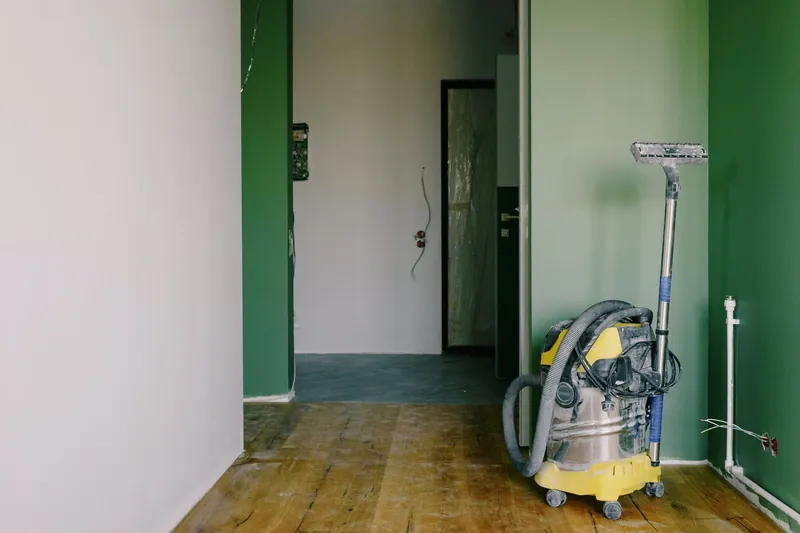
For jobs where blood contact is possible, workplace training, protective equipment, exposure safeguards and related methods are governed by the OSHA Bloodborne Pathogens Standard.
Disinfectant selection must account for the target organism and type of surface. Surface moisture is maintained for all of the contact time shown on the label.
New York treats blood-soaked materials from a biohazard scene as regulated medical waste. Rules from the Department of Environmental Conservation and the Department of Health control how it is packed, moved and treated, so it cannot go in household trash.
New York has no statewide office. Counties use elected coroners or appointed medical examiners, and New York City's five boroughs are covered by its Office of Chief Medical Examiner. Cleanup starts after police or the medical examiner or coroner release the scene.
The full emergency 24/7 biohazard cleanup guide covers what is cleaned or removed, odor and air quality work, and the rules that apply in New York.
Read the full emergency 24/7 biohazard cleanup guide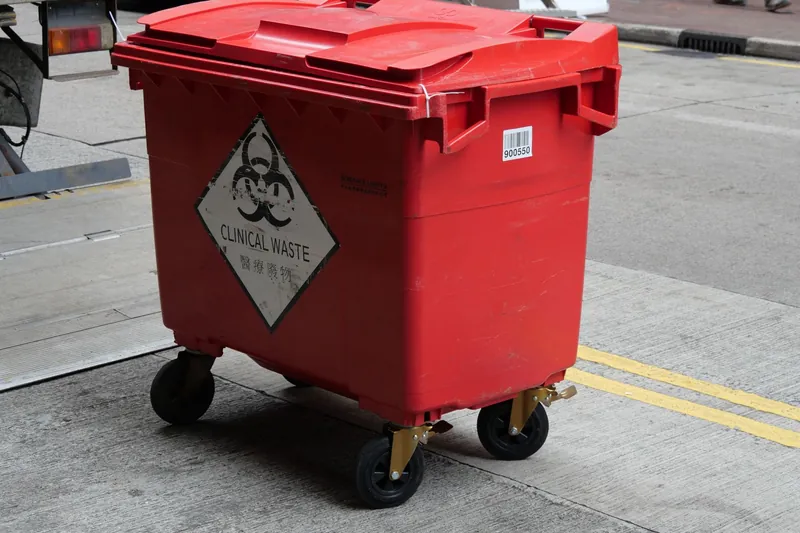
Local population patterns, housing and site access may affect how containment and cleanup are planned.
A listed distance of 1.8 miles to Rochester General Hospital gives a practical medical reference when someone has contacted blood or waste.
The location sits near Homestead Heights, North Marketview Heights, and Beechwood, making local landmarks helpful when a property entrance is hard to find.
In Northland-Lyceum, identifying the correct building entrance can reduce unnecessary movement through shared spaces during a sensitive cleanup.
You can ask about cleanup in nearby communities and ZIP codes during the call.
Removal and disinfection of blood, body fluids and other infectious material from any property.
See biohazard cleanup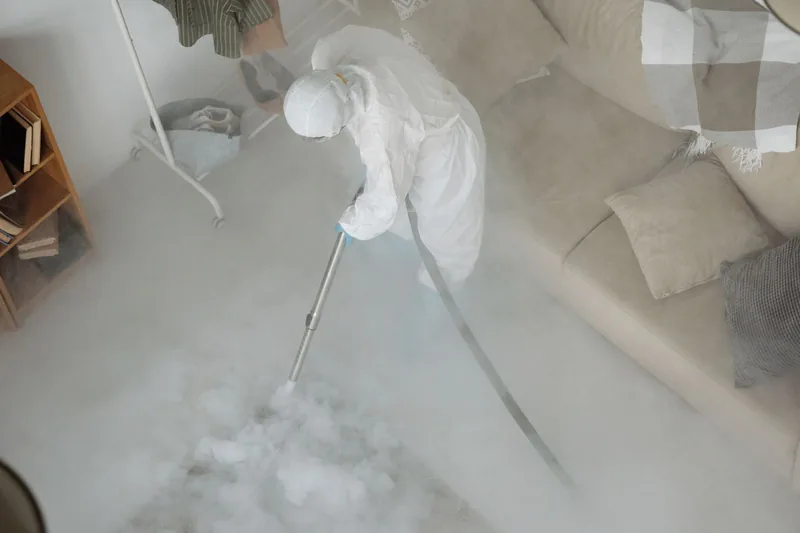
Rooms, surfaces and air receive complete decontamination following infectious or hazardous exposure.
See biohazard decontamination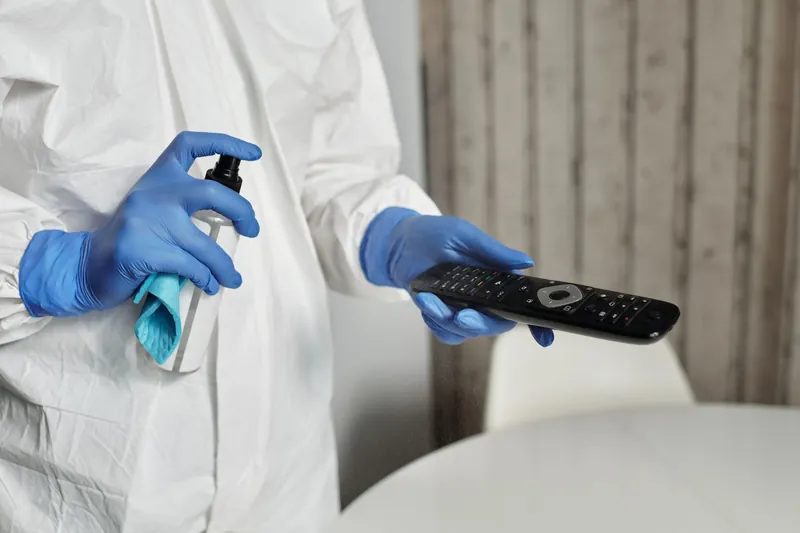
A contaminated space is restored to safe use through biological remediation and contaminant removal.
See biohazard remediation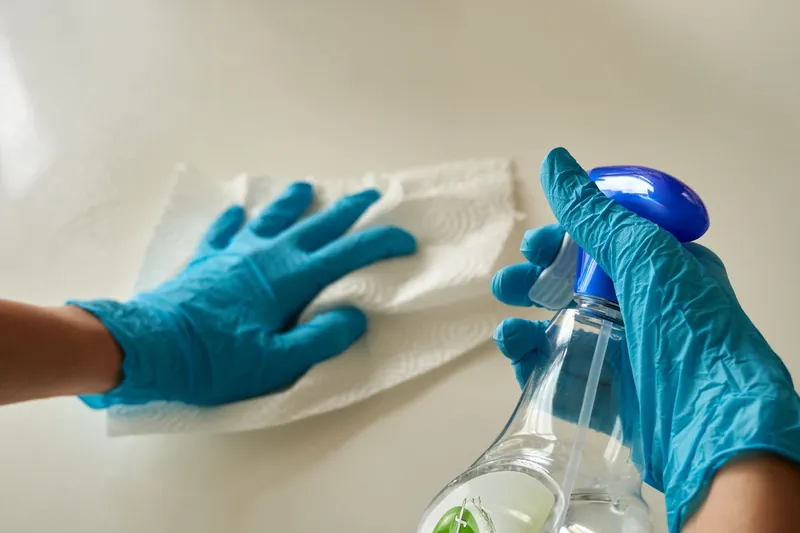
Blood cleanup on carpet, hard floors, walls and furniture with safe disposal.
See blood cleanup
Trauma scene cleanup is needed after violent events, accidents and injuries.
See trauma scene cleanup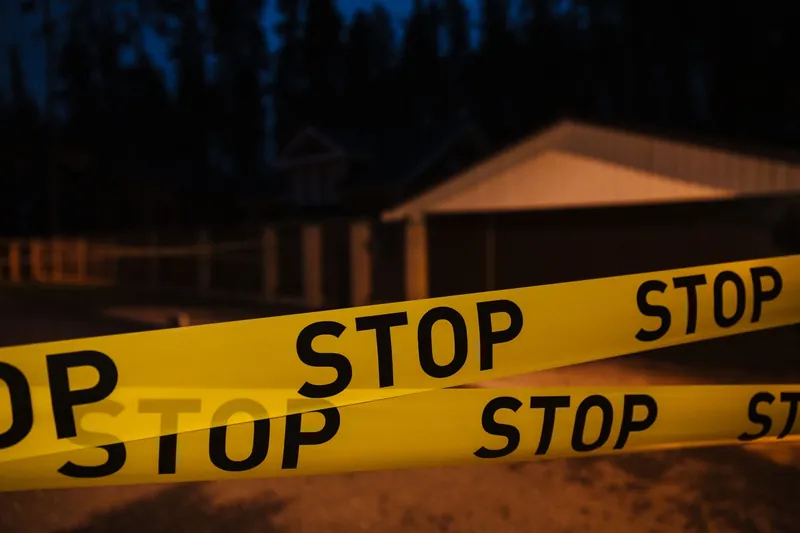
After the property is released by police, crime scene cleaning removes blood and controls odor.
See crime scene cleanup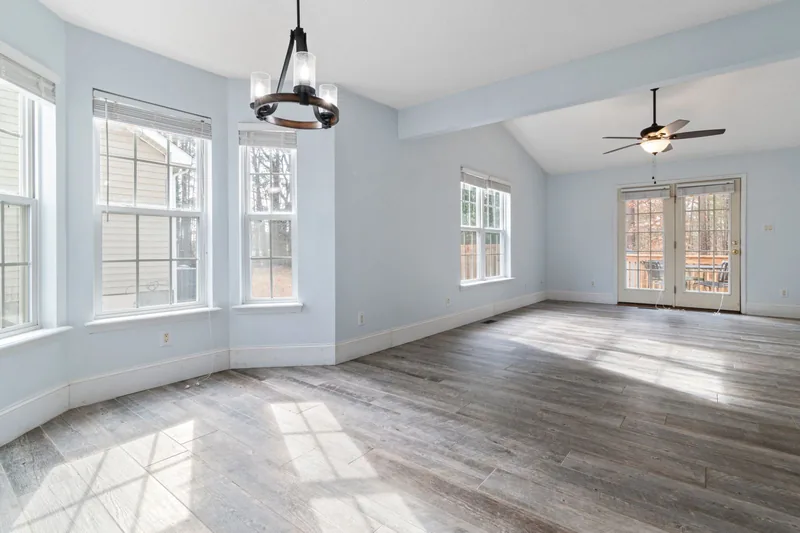
Cleanup when a death went unnoticed for days, with decomposition and odor control.
See unattended death cleanup
Raw sewage cleanup treats Category 3 black water and includes both drying and disinfection.
See raw sewage cleanupLeave the spill area and restrict entry, calling 911 when medical assistance is needed. Avoid contact with blood and sharp objects, do not reenter a controlled scene before law enforcement releases it, use the correct workplace exposure channel and organize cleanup. Stay outside the affected area and leave household cleaning supplies unused.
A few fresh drops of your own blood on a hard, non-porous surface may be manageable with gloves and a suitable EPA-registered disinfectant used for its full contact time. Do not attempt cleanup when the source is unknown, sharps are present, porous materials are affected or the spill boundary is unclear.
The time depends on the contamination, surfaces, number of rooms and whether fluids reached subfloor, wall cavities or furnishings. A single work period can sometimes cover a minor hard-surface area. When cleanup spans several rooms, takes out porous items or treats odors, multiple work stages can come before restoration.
Emergency responders, law enforcement and medical examiners complete their work without cleaning the affected property. A family member, property owner, landlord or other accountable party organizes death cleanup once the scene has been released. A professional cleanup team can remove contamination, disinfect surfaces, treat odor and document the work.
When blood, sewage, bodily fluids, human waste or another biological contaminant impacts a property, emergency biohazard cleanup means urgent cleaning and disinfection. The work includes containment, removal of materials that cannot be cleaned, disinfection, waste disposal and odor treatment. Before work begins, police or another authority must release any controlled scene.
Coverage may apply. Your policy language, coverage limits, deductible, exclusions and reason for the incident determine what may be covered. Ask your insurance company about biohazard cleanup, removing materials, odor treatment and restoration. Keep the claim number, photos, scene release, scope, invoices and waste records.
Respectful, discreet emergency 24/7 biohazard cleanup is available 24 hours a day, and crews arrive in unmarked vehicles.